
A hundred years of beer in China
In 1900 a Russian merchant followed the Chinese Eastern Railway into Harbin and opened the first brewery on Chinese soil. Locals were not convinced. The bitter, fizzy drink earned an unflattering nickname, and the regular customers were mostly foreign officials and residents. A century later China brews more beer than any other country. In Qingdao, people carry the day's draft home in a knotted plastic bag. In Beijing and Shanghai, drinkers talk seriously about hops and barrel ageing.

At the table
The years explain the industry. This part explains the glass.
In summer, beer in China mostly happens outdoors. Low tables appear on the pavement, skewers and clams arrive first, and the beer follows. In Qingdao they say ha pijiu, using the local word for drinking, and corner shops sell the day's unpasteurised draft by weight, poured into a plastic bag and knotted at the top. It does not keep overnight, so people buy what they will finish that evening.
Ganbei literally means dry the glass, though what it asks of you depends on the company. Among friends it is often just an invitation to raise your glass, and a sip is plenty. At a formal dinner there is more to it. The host toasts first, holding your glass a little lower than an elder's shows respect, and sui yi, as you please, gives everyone room to pace themselves. If you do not drink alcohol, say so early and raise a glass of tea instead. That is perfectly acceptable.
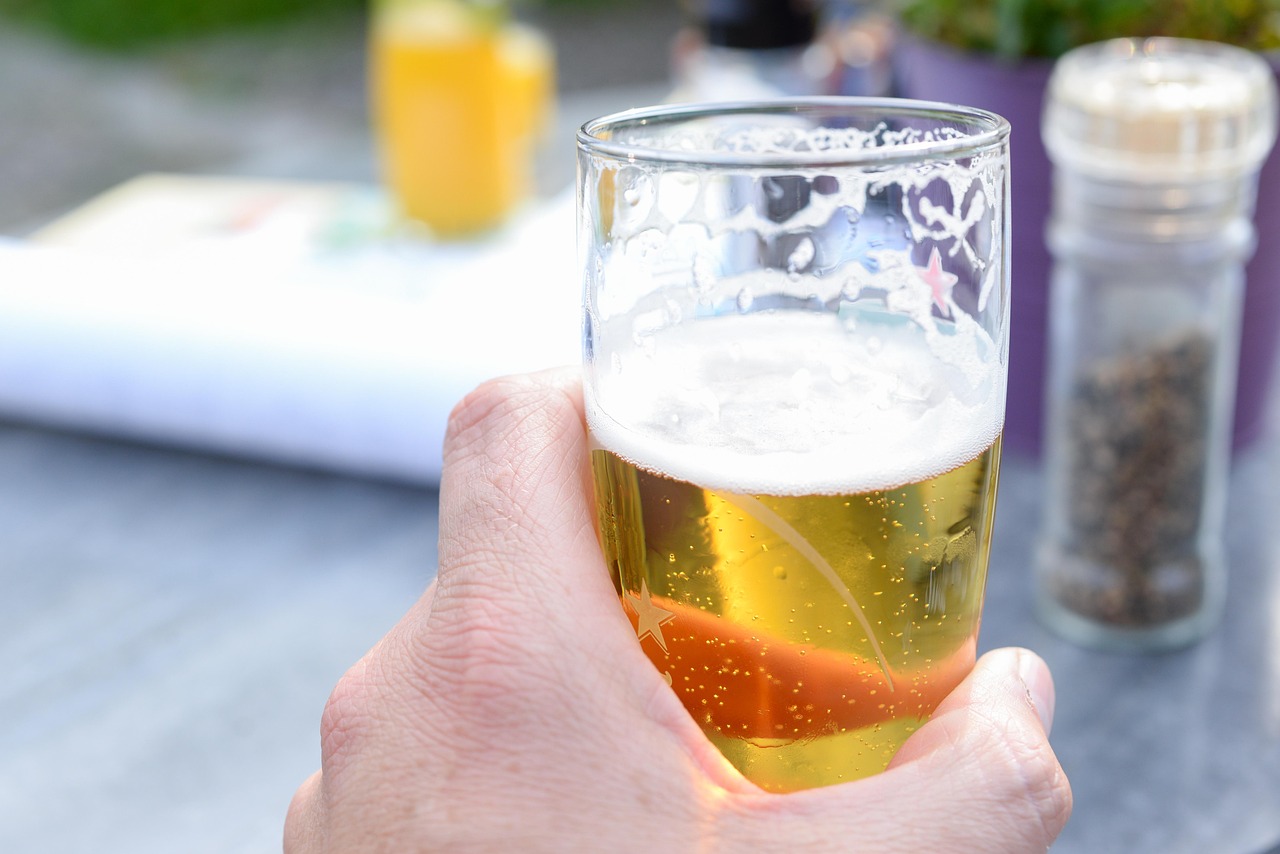
The bag is a fairly recent invention. In the 1970s people took bowls and jars to be filled; glass canisters followed in the eighties, and the knotted plastic bag took over in the nineties. A bag holds one or two jin, roughly a pint or two. Some people push a straw through the plastic and drink on the way home, and in July you will see them hurrying so the beer stays cold.
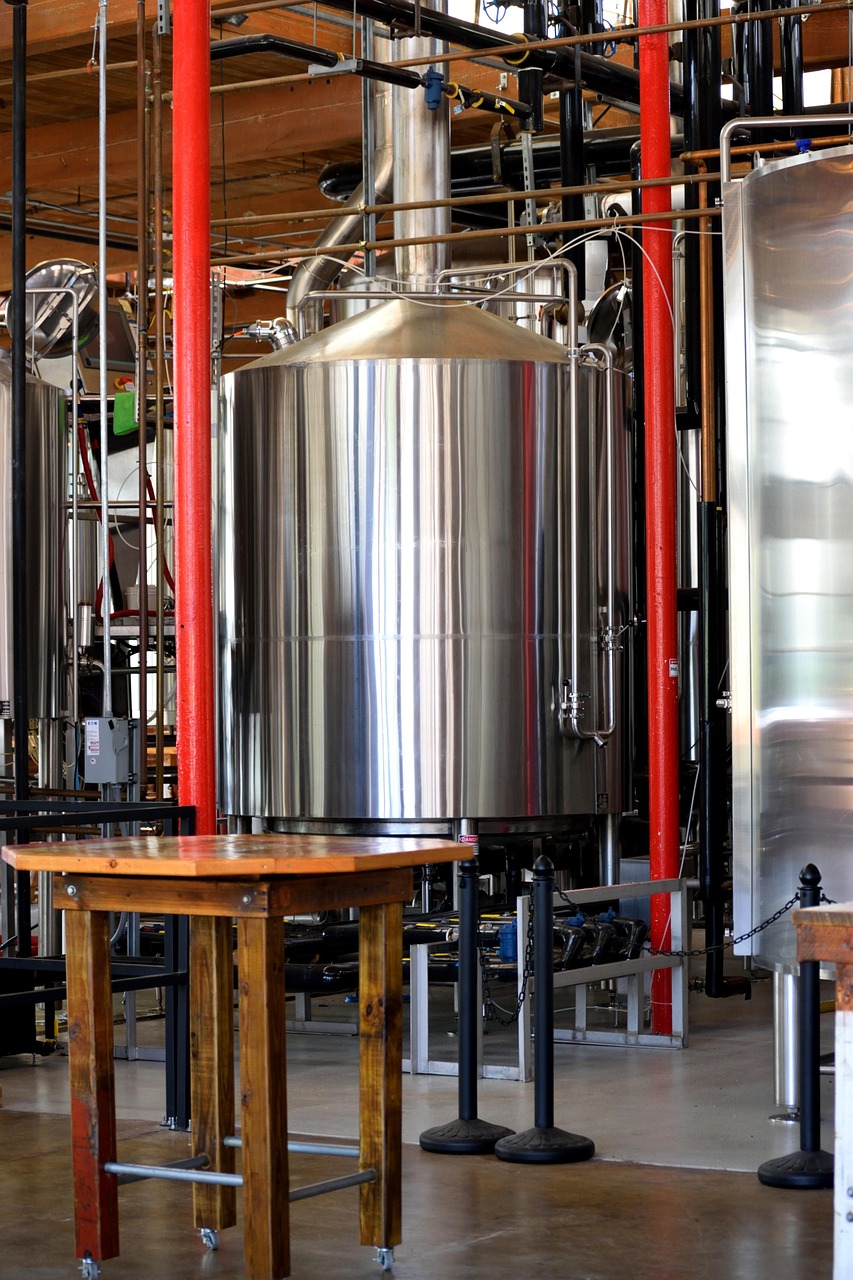
After 1985 local breweries multiplied to more than 800, and a great many cities ended up with a brand of their own. Big groups have since bought many of them, though the names tend to survive on local menus. Ordering the local beer is still a small, reliable way to find out where you are.
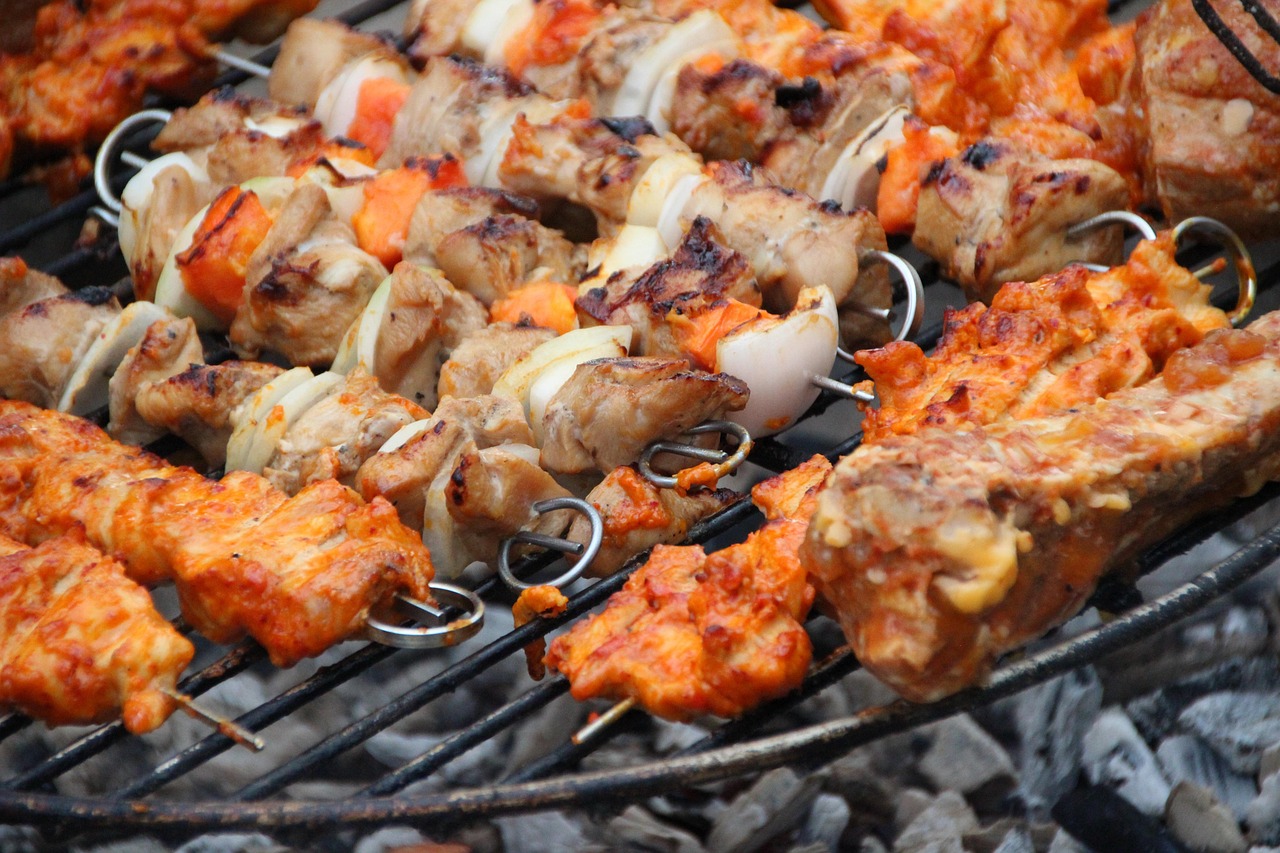
Beer here almost always arrives alongside food. Skewers, hot pot, clams, edamame and smashed cucumber all work. In Qingdao you can bring seafood from the market next door to a pijiuwu, a small beer room, and pay a few yuan to have it cooked. A plate of clams and a bag of cold draft makes an easy summer supper.
Eight years, from a railway to a taproom
Start here for the shape of the story, then follow the brands.
- 1900The railway brings the first brewery
A Russian merchant, Ulublevsky, saw the trade the Chinese Eastern Railway would bring and opened a brewery in Harbin, the first in China. Early customers were mostly foreign officials and residents. Locals found the bitter taste strange and gave the drink a blunt nickname.
- 1903Laoshan water, German method
Anglo-German merchants founded the brewery in Qingdao, using spring water from Laoshan and bottom-fermented pilsner methods. That combination still shapes the house style more than a century later.
- 1915Chinese owners
Shuanghesheng opened in Beijing, making Five Star beer and soft drinks. It was the first brewery in the country financed and run by Chinese owners.
- 1985A beer for every city
A national programme to expand beer production sent breweries up across the country, and at their peak there were more than 800 local plants. Travellers could cross into the next province and find a different label on the table.
- 1990sOutside money, fewer names
International groups bought into regional breweries, and licensed labels such as Blue Ribbon began brewing locally. As the mergers continued, many familiar local names quietly disappeared from the shelves.
- 2002The largest brewing country
Output reached roughly 24 million tonnes and passed the United States for the first time, a position China has held since. Nine years earlier it had overtaken Germany and spent eight years at number two.
- 2008Craft begins in two cities
Master Gao in Nanjing and Boxing Cat in Shanghai opened the same year, one a brewery and one a brewpub. Beijing followed with Great Leap and Jing-A after 2010, and a national homebrewing competition in Nanjing in 2012 gave the scene a meeting point. Hops, sour beers and barrel ageing slowly became ordinary words.
- 2013Fewer litres, more attention
Production peaked at 50.62 million tonnes and has eased back since. Drinkers began trading volume for better beer, and the small breweries finally had an audience.
A few places along the way
The years above happened somewhere. Here are three of them.

The coast and springs at Laoshan, the water behind the earliest Qingdao beer.
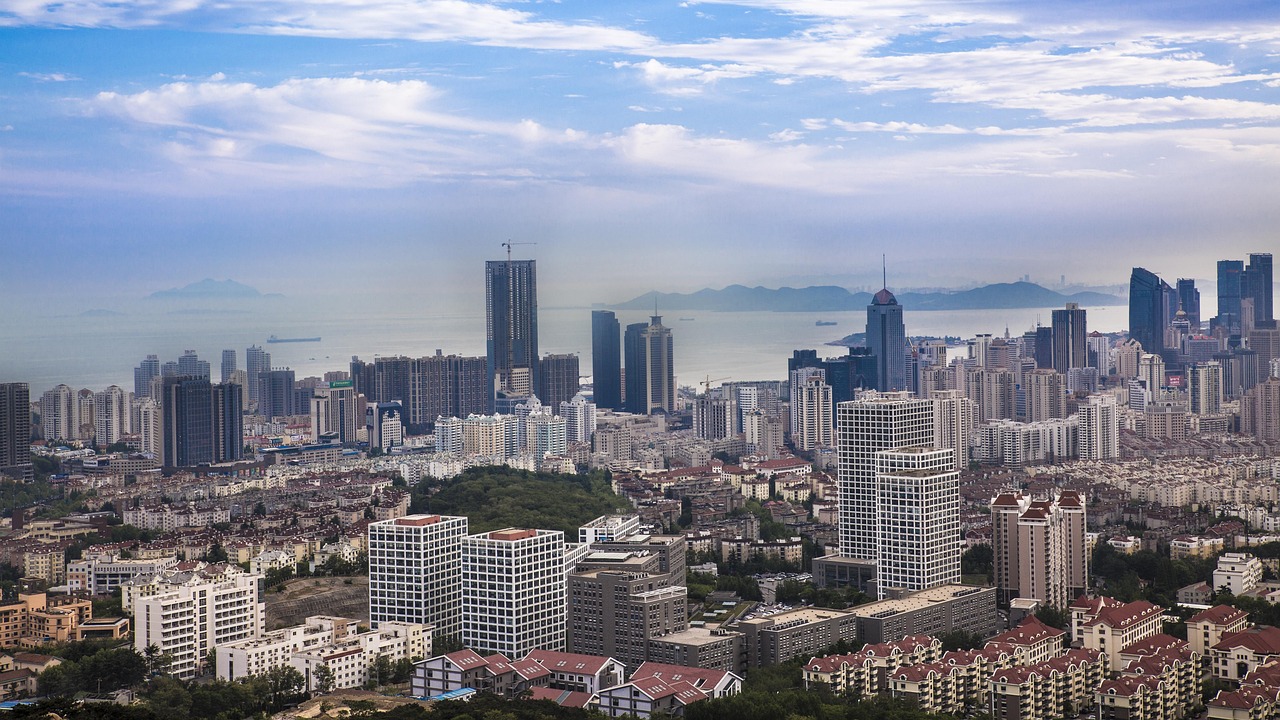
Red-tiled old town with the new skyline behind it, a common Qingdao view.
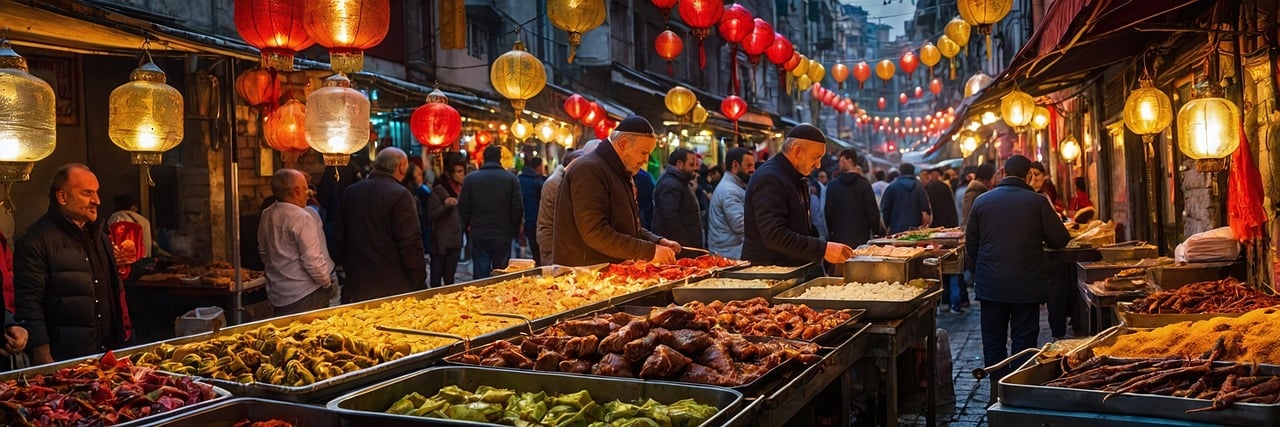
A summer street stall, where skewers and a bag of draft beer tend to arrive together.
Six good places to begin
The two oldest lineages, the country's biggest seller, two names from the first years of craft beer, and a highland lager made partly with plateau barley. Once you know these six, the rest of the directory is easier to place.
China’s most exported beer, brewed in Qingdao since the German-era brewery of 1903.
The oldest beer tradition in China, born with the Russian-built Chinese Eastern Railway.
The volume leader: light, dry and built for hot-pot tables across the country.
A founding name of Chinese craft beer, known for the “Baby Fat” IPA.
Beijing’s best-known craft brewery, built around the “Worker’s Pale Ale”.
High-altitude brewing, partly from Himalayan barley and spring water.
More entries are being added. These six come first.